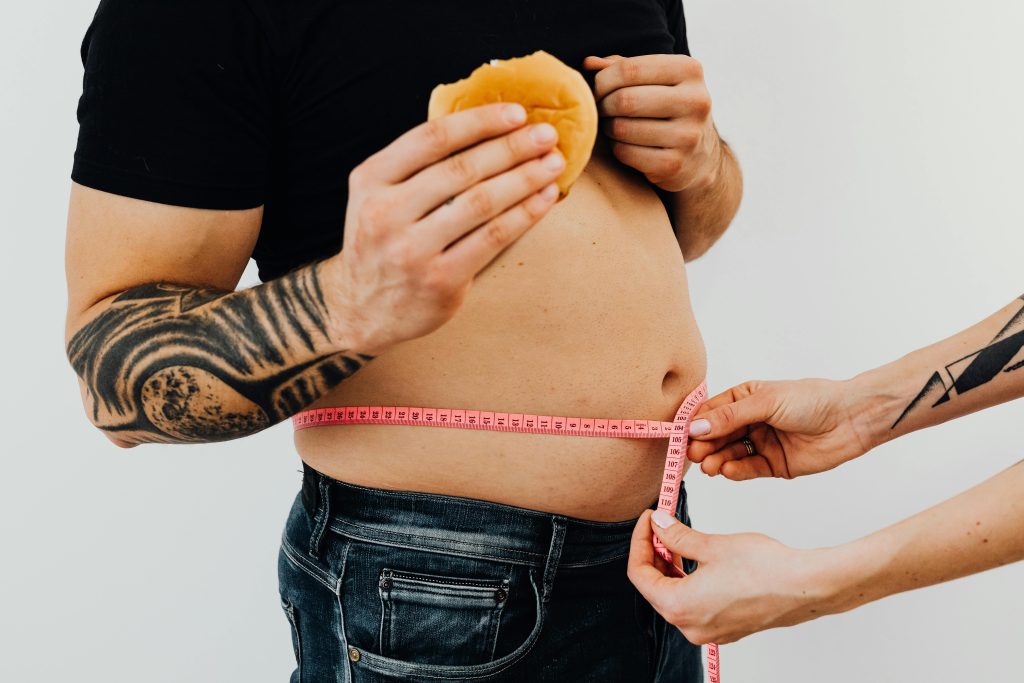
Weight Okay, let’s break down weight loss for men. It’s a common goal, and while the principles are generally the same for everyone, there are some considerations specific to men’s physiology and lifestyle. I’ll structure this into sections: Understanding the Basics, Diet, Exercise, Lifestyle Factors, and Potential Pitfalls/Seeking Help. Please read the important disclaimers at the end of this response.
1. Understanding the Basics: Why Weight Loss Happens & What to Expect
- Calories In vs. Calories Out: This is the fundamental principle. To lose weight, you need to consume fewer calories than you burn. A deficit of 500-750 calories per day generally leads to a loss of 1-2 pounds per week. This is a guideline; individual results vary.
- Metabolic Rate: Men generally have a higher basal metabolic rate (BMR) than women due to more muscle mass. This means you tend to burn more calories at rest. However, BMR is also affected by age, genetics, and body composition.
- Muscle Mass & Weight Loss: Men often have a higher percentage of muscle mass. Preserving muscle during weight loss is crucial. Muscle burns more calories than fat, even at rest. Therefore, focus on resistance training.
- Hormones (Testosterone): Testosterone plays a role in muscle development and fat distribution. Lower testosterone levels (which can happen with age or certain medical conditions) can make weight loss more challenging.
- Realistic Expectations: Sustainable weight loss is a marathon, not a sprint. Rapid weight loss is often unsustainable and can be detrimental to your health.
2. Diet: Fueling Your Body for Weight Loss
- Focus on Whole Foods: Prioritize:
- Lean Protein: Chicken, turkey, fish, beans, lentils, tofu. Protein helps you feel full, preserves muscle, and has a higher thermic effect (burns more calories during digestion). Aim for 0.8-1 gram of protein per pound of body weight.
- Fruits & Vegetables: Packed with nutrients, fiber, and low in calories. Fill half your plate with them.
- Whole Grains: Oats, brown rice, quinoa. Provide sustained energy and fiber.
- Healthy Fats: Avocado, nuts, seeds, olive oil. Important for hormone production and overall health. Don’t be afraid of fat, but consume it in moderation.
- Calorie Tracking (Optional but Recommended Initially): Using an app like MyFitnessPal, Lose It!, or Cronometer can help you understand your eating habits and identify areas for improvement. Be honest with yourself!
- Portion Control: Be mindful of serving sizes. Use smaller plates. Measure food occasionally to calibrate your eye.
- Limit Processed Foods: These are often high in calories, unhealthy fats, added sugars, and sodium. Examples: fast food, sugary drinks, packaged snacks, processed meats.
- Hydration: Drink plenty of water throughout the day. Sometimes thirst is mistaken for hunger.
- Meal Timing: While not as crucial as overall calorie intake, consistent meal times can help regulate hunger and energy levels.
- Example Meal Plan (Adjust to your calorie needs and preferences):
- Breakfast: Oatmeal with berries and protein powder; or Greek yogurt with nuts and seeds.
- Lunch: Salad with grilled chicken or fish; or lentil soup with whole-wheat bread.
- Dinner: Baked salmon with roasted vegetables and quinoa; or turkey stir-fry with brown rice.
- Snacks: Apple with almond butter; or a handful of almonds; or a protein shake.
3. Exercise: Burning Calories and Building Muscle
- Resistance Training (Crucial for Men): Aim for 2-3 sessions per week, targeting all major muscle groups (chest, back, shoulders, arms, legs, core).
- Exercises: Squats, bench press, deadlifts, overhead press, rows, pull-ups (or lat pulldowns).
- Benefits: Builds muscle mass, boosts metabolism, improves strength and bone density.
- Cardiovascular Exercise (Important for Calorie Burning): Aim for at least 150 minutes of moderate-intensity or 75 minutes of vigorous-intensity cardio per week.
- Examples: Running, cycling, swimming, brisk walking, HIIT (High-Intensity Interval Training).
- NEAT (Non-Exercise Activity Thermogenesis): This refers to the calories you burn through everyday activities like walking, standing, fidgeting, and taking the stairs. Increase your NEAT by being more active throughout the day. Park further away, take the stairs instead of the elevator, get up and move around during breaks.
4. Lifestyle Factors: Beyond Diet and Exercise
- Sleep: Aim for 7-9 hours of quality sleep per night. Lack of sleep can disrupt hormones that regulate appetite.
- Stress Management: Chronic stress can lead to increased cortisol levels, which can promote fat storage, especially in the abdominal area. Find healthy ways to manage stress (e.g., meditation, yoga, hobbies).
- Alcohol Consumption: Alcohol is high in calories and can impair judgment, leading to overeating. Moderate or eliminate alcohol consumption.
- Social Support: Having a support system can make it easier to stick to your goals. Find a workout buddy or join an online community.
- Consistency: Weight loss is a long-term process. Don’t get discouraged by setbacks. Just get back on track.
5. Potential Pitfalls and Seeking Help
- Plateaus: Weight loss often slows down over time. This is normal. Re-evaluate your calorie intake and exercise routine. Consider trying different types of exercises.
- Muscle Loss: If you’re losing weight too quickly or not eating enough protein, you may lose muscle mass. Adjust your diet and exercise accordingly.
- Yo-Yo Dieting: Rapid weight loss followed by weight regain can be harmful to your health. Focus on sustainable lifestyle changes.
- Medical Conditions: Certain medical conditions (e.g., hypothyroidism, PCOS) can make weight loss more challenging. See a doctor to rule out any underlying medical issues.
- Professional Help: Consider consulting with a registered dietitian or a certified personal trainer for personalized guidance.
IMPORTANT DISCLAIMERS:
- This information is for general knowledge and informational purposes only, and does not constitute medical advice. It is essential to consult with a qualified healthcare professional for any health concerns or before making any decisions related to your health or treatment.
- Individual results may vary. Weight loss is affected by many factors, including genetics, metabolism, activity level, and overall health.
- Do not attempt drastic diets or exercise regimens without professional guidance. Rapid weight loss can be dangerous.
- If you have any underlying medical conditions, consult with your doctor before starting a new diet or exercise program.
- This is not a substitute for professional medical advice. Always seek the advice of your physician or other qualified health provider with any questions you may have regarding a medical condition.
To help me tailor this advice even further, could you tell me:
- What is your current age and activity level?
- What is your current weight and height?
- What are your main concerns or challenges when it comes to weight loss?